Business tips
Your guide to expand into Francophone West Africa: Understanding WAEMU
Olasubomi Oduntan
Jul 27, 2026
4 minutes
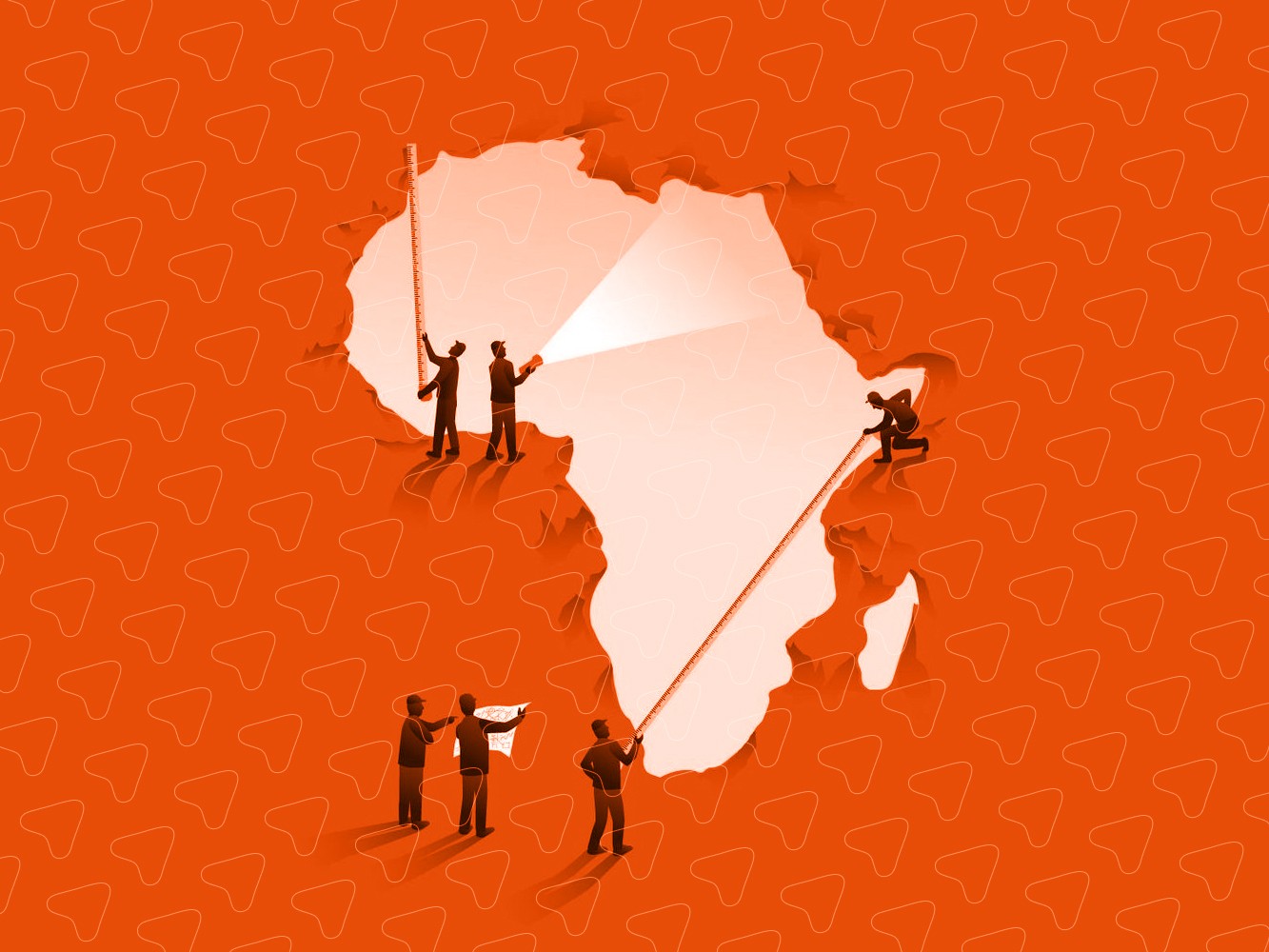
If your company wants to expand into francophone West Africa, you must understand what WAEMU is and explore how it affects your expansion plans. As with every regional regulation, there are benefits and unique challenges that accompany it.
Right off the bat, it is worth noting that the bloc of 8 countries, comprising 140 million people who share a single currency, is relatively uncontested. There is an opportunity present in this gap.
Table of Content
What WAEMU is
What WAEMU makes easier in expansion
What WAEMU makes more difficult in expansion
How to sequence your entry
The shortcut through it all
What WAEMU is
The West African Economic and Monetary Union (WAEMU, or UOEMA in French) unites eight African countries (Benin, Burkina Faso, Côte d'Ivoire, Guinea-Bissau, Mali, Niger, Senegal, and Togo) under a single umbrella, with one currency, one central bank, and one set of banking rules. It was designed to facilitate trade and remove cross-border barriers.
It has 3 core features that define it:
One currency: The CFA franc (XOF) is used by all eight countries. It is pegged to the Euro at fixed rates and is backed by the French Treasury. This makes it a stable currency, an attribute rare in the African economy. You won’t wake up one day to a 40% devaluation of the XOF the way businesses woke up to the devaluation of the naira in 2024.
One central bank: The BCEAO (Banque Centrale des États de l’Afrique de l’Ouest), headquartered in Dakar, is the body that regulates the money supply and oversees the banking system. The banking licenses, payment institution rules, and e-money regulation all flow from one regulator across the eight markets.
Harmonized business law: OHADA (Organisation pour l'Harmonisation en Afrique du Droit des Affaires) covers 17 African countries, 8 of which are also part of WAEMU. Company law, commercial contracts, and securities are standardized across the bloc.
Countries in Anglophone Africa, on the other hand, have their own currencies, central banks, company laws, etc. In WAEMU, you only need to learn the rules once.
What WAEMU makes easier when you expand
3 advantages of WAEMU can make expansion easier for you:
The currency risk drops: XOF is pegged to the euro, so your XOF revenue retains value between collection and settlement. If you’ve been scarred by naira and cedis volatility, this is a lifeline.
You can scale regionally: since payment regulations are the same across the eight countries, multi-country expansion is not a restart each time. It is incremental. The same central bank regulates the setup that works in Côte d’Ivoire and in Senegal.
Centralized legal grammar: The presence of OHADA means contracts, incorporation, and dispute resolution follow a recognizable pattern across markets. A lawyer who understands OHADA in Burkina Faso also does in Senegal.
What WAEMU makes more difficult as you expand
While things are harmonized with WAEMU’s existence, it doesn’t make everything easy. Anglophone-oriented founders would find challenges in the following ways:
Everything runs in French: This can be a bigger blocker than most teams prepare for. Google Translate doesn’t interpret local contexts. Regulation, tax filings, banking relationships, and customer support expectations are all in French. You’re not simply translating the checkout page.
The payment rails differ: Overall financial inclusion driven by mobile wallets has surpassed 70% in WAEMU. But not M-Pesa that you may be used to. Wave, Orange Money and MTN MoMo are widely used in the bloc. If your payment stack doesn’t include these wallets, you don’t have a payment stack in WAEMU.
Tax is harmonized in theory, but national in practice: WAEMU directives set common frameworks for the region, but registration and remittance still happen country by country. In French. With local nuance.
BCEAO licensing is strict and slow: The central bank grants licenses to e-money and payment institutions very carefully. The centralization is a blessing when you’re in, but a real gate when you’re out.
How to sequence your entry
If you’ve decided to expand into francophone Africa, it is a good idea to plan and be deliberate about your entry.
Start with Senegal or Côte d’Ivoire: These are the two largest economies in WAEMU. They have the most mature startup ecosystems and the deepest mobile money penetration too. Cote d’Ivoire has the largest economy, and Senegal has the fintech advantage.
Get your payment rails right before marketing: Before you actively onboard customers, you need to ensure that their preferred payment options are available at checkout. Understand the user behavior in the region and align your user experience before marketing your product at all.
Expand inside the bloc: Once the company is live in one WAEMU market and you’re compliant, expanding into other countries like Togo and Benin is a viable extension. As we mentioned earlier, compliance in one country is similar to another.
We have step-by-step guides to register in Senegal, Ivory Coast, Benin, and Burkina Faso, but registration is only one path.
The Shortcut to WAEMU Expansion
You can take on the challenge of expanding into Francophone Africa and figuring out the BCEAO-compliant collection, Wave and Orange Money integration, French-language tax registration and remittance, and XOF settlement. Or you can leverage a merchant of record, which exists to own all these.
With Startbutton as your merchant of record in WAEMU, you sell in XOF through payment rails customers actually use, and the licensing, tax, and compliance burdens lie with us. If you’d like to cast your net beyond the same waters everyone in anglophone Africa is focusing on, francophone Africa is wide open. And you can have your operations ready to go with a simple integration with Startbutton.
Startbutton is a leading Merchant of Record for African markets. Join over 200 global businesses using Startbutton to power their expansion. Get started here.