SB updates
How to sell in Nigeria without a local company
Damilola Oyelere
Nov 25, 2025
4 minutes
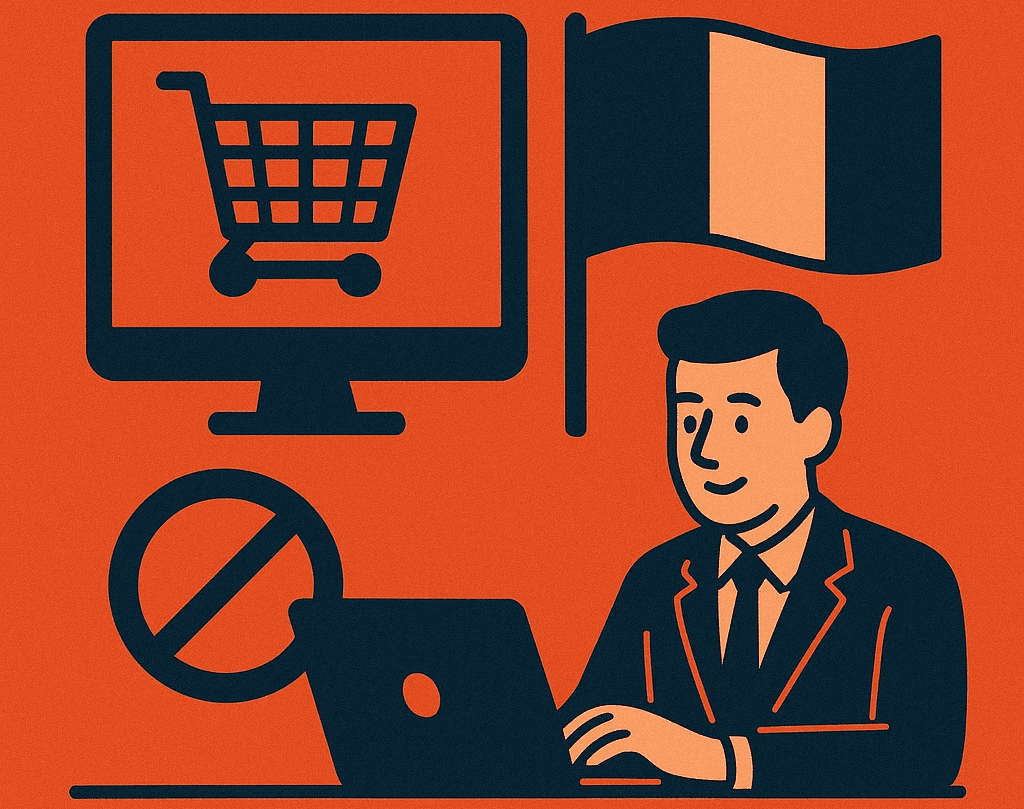
Businesses around the world are leveraging different models to sell their products without incorporating or setting up a local entity. For instance, the projected market size of digital businesses in Nigeria is projected to be worth a whopping $9.35 billion in 2025, estimated to reach $16.83 billion in 2030, showing a 12.46% Compound Annual Growth Rate (CAGR). Small and medium-sized businesses aren’t left out in their significant contribution to Nigeria’s GDP, as they contribute a fair share of 48% to the national GDP, representing 96% of all businesses. A 2025 report by Mastercard indicated that 99% of these SMEs in Nigeria accept digital payments, highlighting a massive adoption of digital financial tools across the country.
Given this level of tech adoption and consumer demand, Nigeria is one of the most attractive markets for SaaS platforms, fintechs, e-commerce brands, gaming platforms, digital service providers, and global B2C/B2B companies.
While there are tons of platform businesses in Nigeria that can be used to sell their products or services, it depends on the products or services being rendered. These models include selling on social media platforms, or marketplaces like Jumia, tix, and Upwork. Foreign companies trying to enter the Nigerian market face additional layers of complexity like
Tax compliance
Regulatory and licensing requirements
Payment processing limitations
VAT obligations
Invoicing compliance
Currency conversion and FX challenges
If you are a foreign business looking to sell, expand, or test the market in Nigeria here’s a clear breakdown of every available model and the fastest, most compliant way to enter without a local company.
Ways to sell in Nigeria without a local company
Foreign businesses that want to enter Nigeria without setting up a local company typically use one of three approaches. Each model comes with its own level of compliance, growth, and revenue potential. Below is an expanded explanation of each route.
1. Sell cross-border from your home country (direct international sales)
This is the most straightforward way for global businesses to start selling to customers in Nigeria without any in-country setup. Customers pay you directly from Nigeria, while the business operates entirely from its home country
How it works:
You list your product or service online, on social media platforms or websites, and customers pay through:
International card payment processors (Visa, Mastercard)
Global payment processors (Stripe, PayPal, Chargebee, etc.)
USD/EUR payment links
International bank transfers
Crypto or digital wallets (depending on your business model)
Why businesses choose this approach:
Fast setup – You can start selling immediately with your existing infrastructure.
No extra compliance needed – No Nigerian taxes, filings, or regulatory obligations needed.
Good for initial discovery – Ideal for testing early interest in the Nigerian market without commitment.
Works for low-volume or one-off sales – Useful for occasional or one-time customers.
Key challenges:
High payment failure rates – Many Nigerian banks decline international transactions due to FX controls, fraud risk, or limits on foreign spending.
Low adoption from local customers – Nigerians prefer local payment methods like bank transfers, USSD, and mobile wallets.
No NGN pricing – Selling only in USD or EUR makes your product expensive and reduces conversions.
Not VAT-compliant – You cannot issue Nigerian tax-compliant invoices or receipts.
Limited scalability – Inefficient for subscription models, SaaS billings, or recurring payments.
This method helps you get started, but isn’t sustainable if you want to scale or operate fully legally in Nigeria.
2. Sell through local marketplaces or partner resellers
Instead of selling directly, foreign companies sometimes rely on Nigerian-based platform distributors to handle the local sale while the foreign entity remains outside the country.
How it works:
You partner with:
Marketplaces – Jumia (e-commerce), Tix (events), Upwork/Fiverr (freelancing)
Local distributors/resellers – Nigerian businesses that sell your product and share a portion of the revenue
Affiliate networks – Local influencers or partner programs that resell your product to end users
Why businesses choose this approach:
No direct compliance burden – The platform or reseller handles customer interaction, checkout, and local regulations.
Faster market penetration – Marketplaces already have the audience, logistics, and trust of local buyers.
Ideal for physical products – Jumia, Konga, and similar platforms make distribution easier.
Minimal upfront cost – No need for teams, systems, or licenses.
Key challenges:
Loss of control over pricing – Marketplaces often set price floors, caps, or mandatory fees.
Lower profit margins – Commissions and seller fees reduce earnings.
You don’t own customer relationships – Contact details, insights, and retention levers remain with the marketplace.
Limited brand representation – Your product may be bundled or listed alongside competitors, reducing visibility.
Restricted eligibility – Many marketplaces have strict rules around product type, quality, and fulfilment options.
While this method can be helpful for certain business models, it limits brand control and long-term scale.
3. Use a Merchant of Record (MoR): The fastest, most compliant, and most scalable route
This is the modern solution for foreign companies that want to sell in Nigeria without registering a local entity. A Merchant of Record (MoR) becomes the official entity responsible for the transaction in Nigeria. Platforms like Startbutton handle all the legal, tax, and payment obligations on your behalf.
How It Works:
The MoR handles these operational needs for your business in Nigeria by managing the:
Local tax registration and reporting
VAT collection and compliance
Checkout and payment processing
Local payment methods (bank transfers, cards, USSD, mobile money)
FX conversion and settlements
Refunds, disputes, and chargebacks
Regulatory filings and licensing
Customer invoicing, including Nigerian tax-compliant receipts
You continue to operate your product globally while Startbutton takes care of everything locally.
Why businesses choose Startbutton as their MoR platform:
Global selling without a Nigerian entity – Perfect for companies that don’t want the cost of incorporation.
Instant access to millions of Nigerian customers – Without regulatory delays or legal risks.
Accept local and foreign currencies – Including NGN, USD, GBP, EUR, etc.
VAT-compliant invoices – Critical for business buyers (B2B).
Seamless recurring billing – Essential for subscription or SaaS businesses.
Low setup cost – No lawyers, consultants, CAC filings, or tax registrations.
Sell across Nigeria and 14+ African markets – From one dashboard.
Protects your business from regulatory violations – A major concern for fintech, SaaS, and digital platforms.
Key challenges (compared to a local entity):
You do not own the legal entity in Nigeria
MoR fees apply (typically cheaper than setting up a local company in Nigeria)
Some regulated industries may still require a local license
Still, it remains the most scalable, compliant, and fastest method to sell in Nigeria without a local company.
Best For:
SaaS businesses
Digital subscription platforms
Fintechs expanding across Africa
Marketplaces
Global software companies
E-learning platforms
Digital media, OTT, gaming, and creator tools
Any business that wants fast, compliant entry without legal complexity
If your goal is speed, compliance, and scale, the Merchant of Record approach gives you the fastest, most seamless path to entering the Nigerian market without a local entity.
With Startbutton, 200+ companies have expanded their customer base to 14+ countries, including Nigeria. The Merchant of record provides the most feasible and compliant way to do business today.
Got questions about selling in Nigeria?
Contact us at sales@startbutton.africa or sign up to get started today.